


Cross-Curricular Initiatives
Education at U.E.P. San Gabriel is conceived as a constantly evolving process, adapted to the challenges of the world. Several generations of alumni experienced Liberating Education, and since 2016, we have been living a process of educational transformation through the InnovAcción XXI project, replacing the traditional subject-based structure with interdisciplinary projects focused on developing students’ understanding.
Within this educational innovation, the institution has adopted an academic approach based on cross-cutting initiatives that seek to transform the learning experience in a comprehensive and sustainable way. At San Gabriel, these cross-cutting initiatives have a global scope within the institution, ensuring that all students — from Initial Education or Second Grade of Basic Education through Third Year of High School — are part of the methodology.


Characteristics
Full Coverage
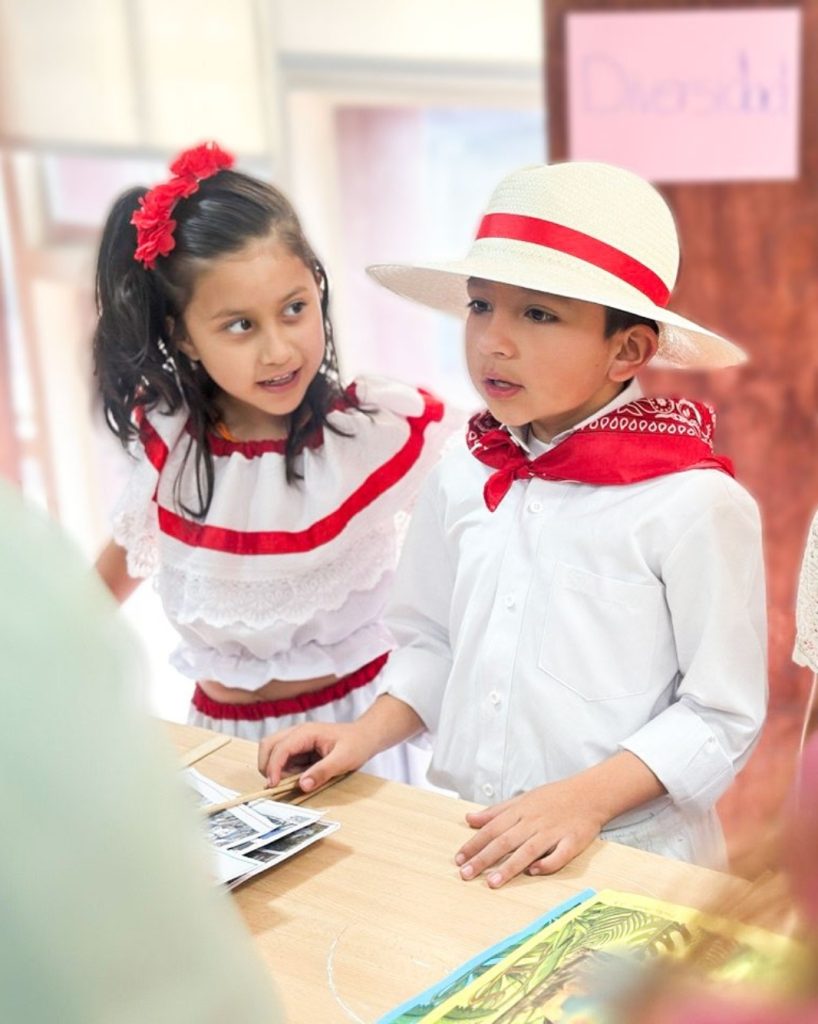
They are implemented at all educational levels, ensuring that each student participates in an equitable manner.
Interdisciplinarity
The integration of various subjects into projects is encouraged, promoting a deeper and more meaningful understanding of knowledge and avoiding the traditional fragmentation of the curriculum.
Strong Theoretical Foundation
These initiatives are based on the Teaching for Understanding model developed by the Harvard Graduate School of Education, ensuring that the applied methodology has rigorous academic support.
Dimensions
Understanding projects address knowledge from four fundamental dimensions:
Knowledge
Essential content that must be acquired by students.
Method
Strategies and tools to develop autonomous learning skills.
Purpose
Application of learning in real contexts to generate impact in the community.
Communication
Effective expression of ideas through various forms and media.
U.E.P. San Gabriel Projects
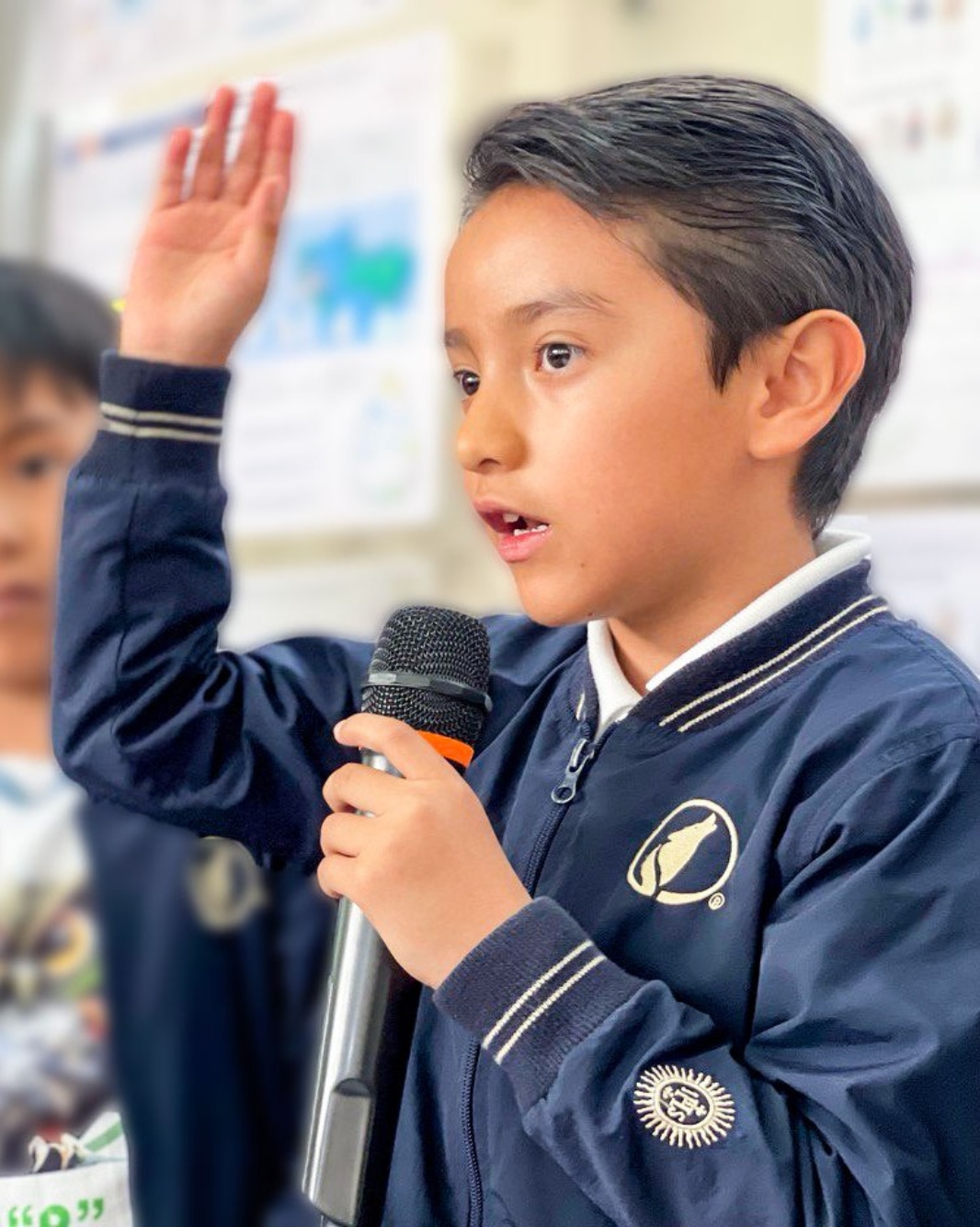
Cross-cutting initiatives are developed through projects at different sublevels, such as the Scientific Project, Humanistic Project, Artistic Project, English Project, Music Project, Computational Thinking Project, Exact Sciences Project, among others, which evolve alongside students according to their growth.
IT – Understanding Projects: “Understanding to Transform, Learning that Leaves a Mark”
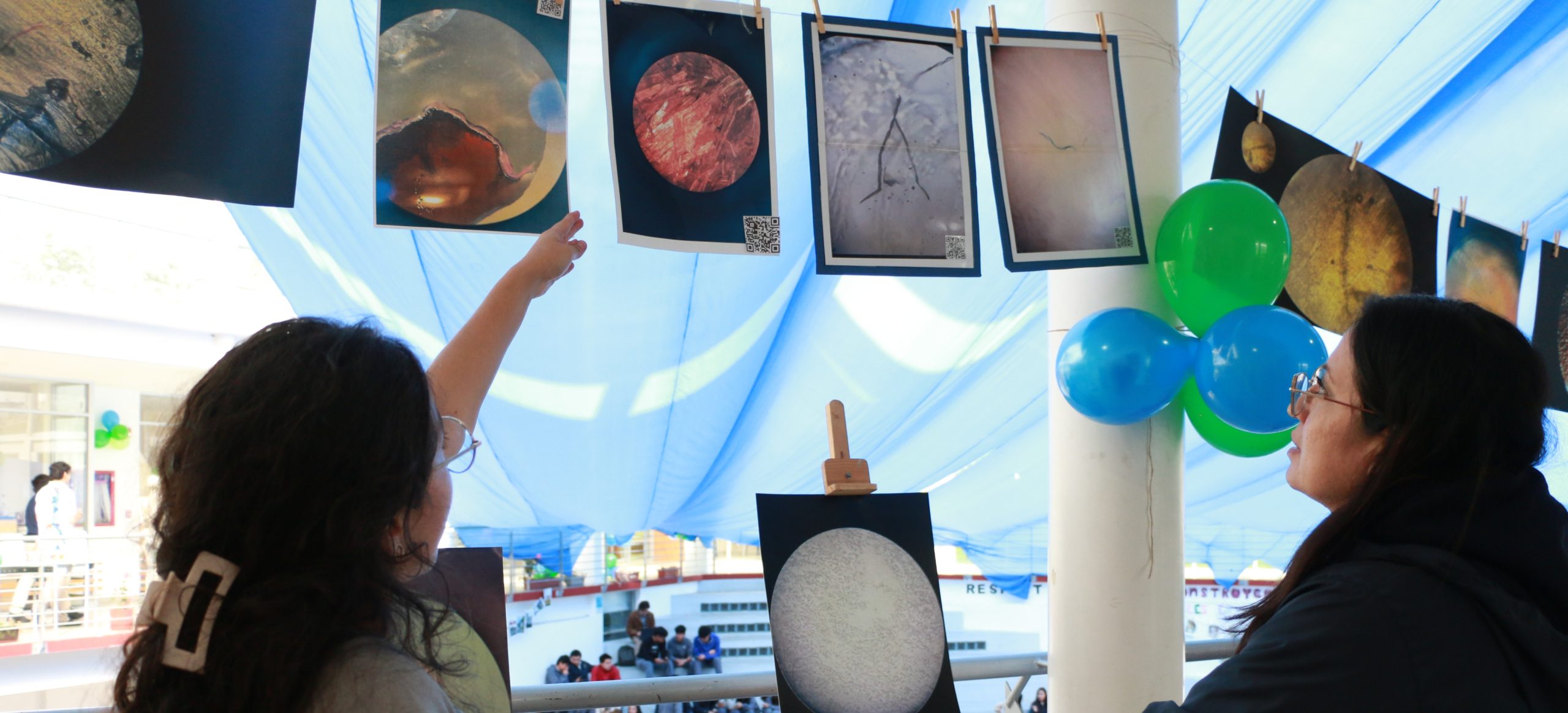
Esta iniciativa es una estrategia pedagógica institucional que se implementó desde el año lectivo 2016-2017, en el marco de la transformación educativa propuesta por la Red de Unidades Educativas Ignacianas del Ecuador, a través del proyecto de transformación educativa “InnovAcción XXI”. Su propósito es apuntalar y consolidar este modelo, fortaleciendo especialmente la dimensión interdisciplinaria y la práctica de la codocencia, así como profundizar en la “Enseñanza para la comprensión”, de modo que las experiencias de aprendizaje se estructuren en esa línea.
This methodology allows us to overcome the fragmentation of the curriculum by subjects and to place learning in authentic, relevant contexts connected to students’ realities. In doing so, we ensure that learning is not limited to memorization, but evolves toward deep understanding applied to everyday life.
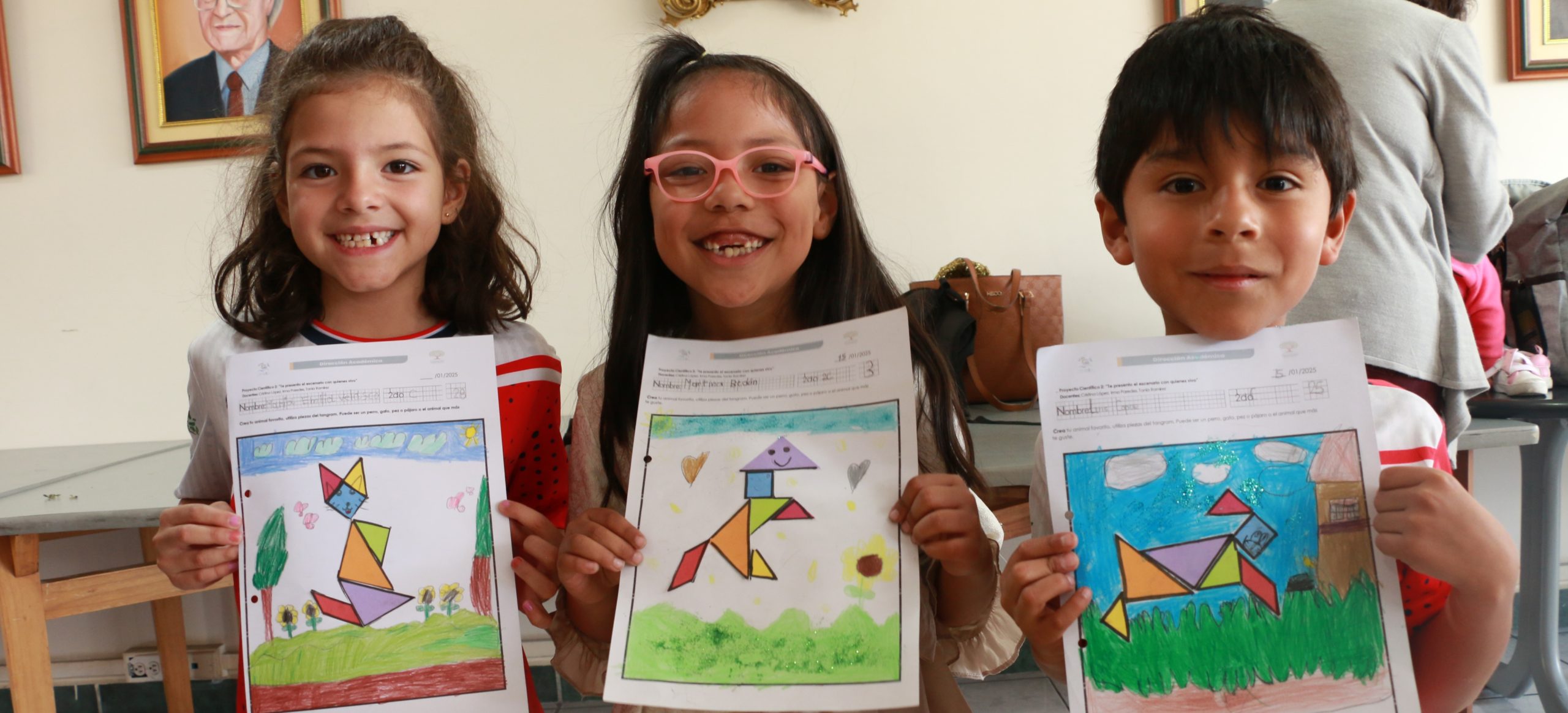
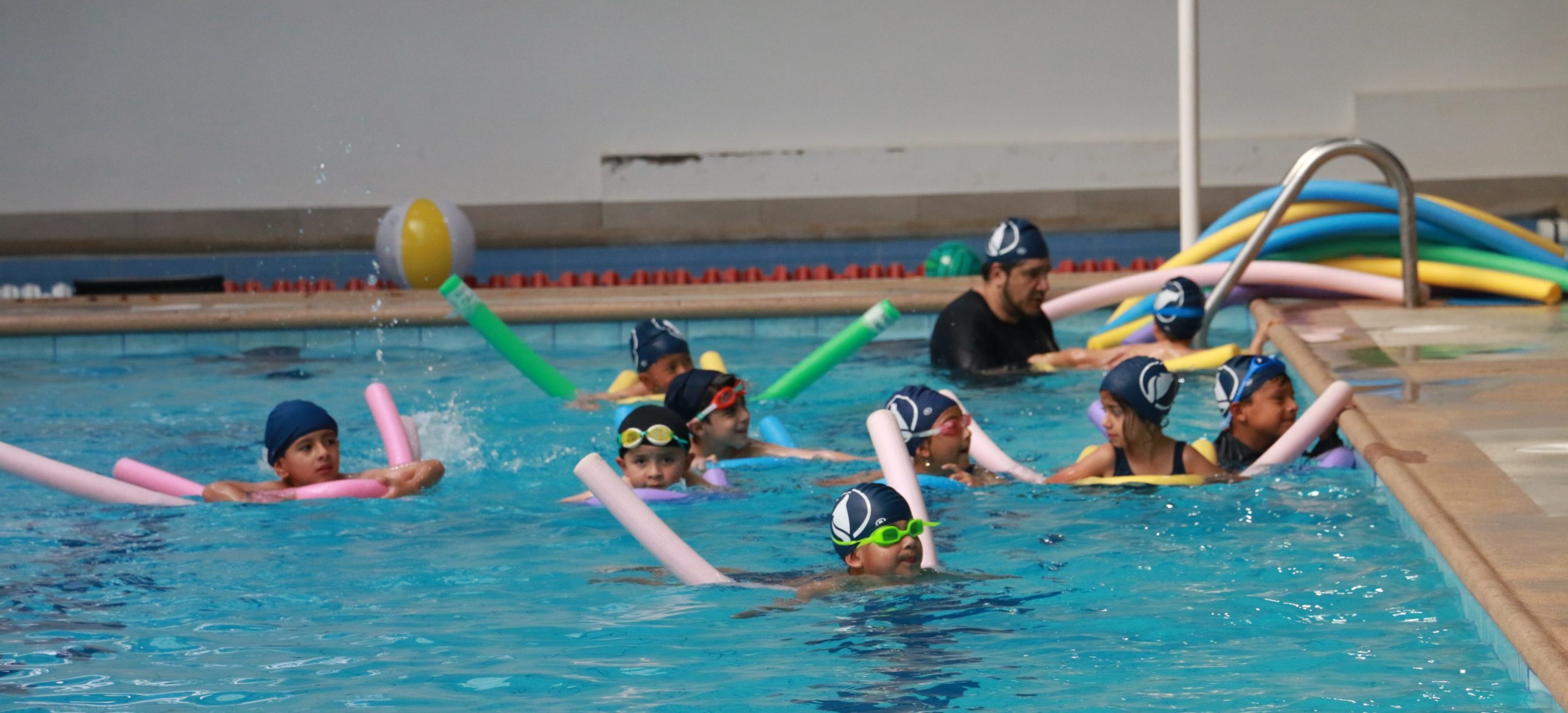
In this context, our model positions the student as the active protagonist of the educational process, capable of inquiring, questioning, creating, and reflecting on their own learning, while the teacher assumes the role of facilitator, designer, and guide in the collective construction of knowledge. Furthermore, it promotes formative assessment and continuous reflection as means to improve understanding and strengthen learner autonomy.
Each project is an opportunity to integrate knowledge, connect learning with the environment, and foster an education that transforms students’ perspectives about themselves, others, and the world, in coherence with the Person Model promoted by RUEI.
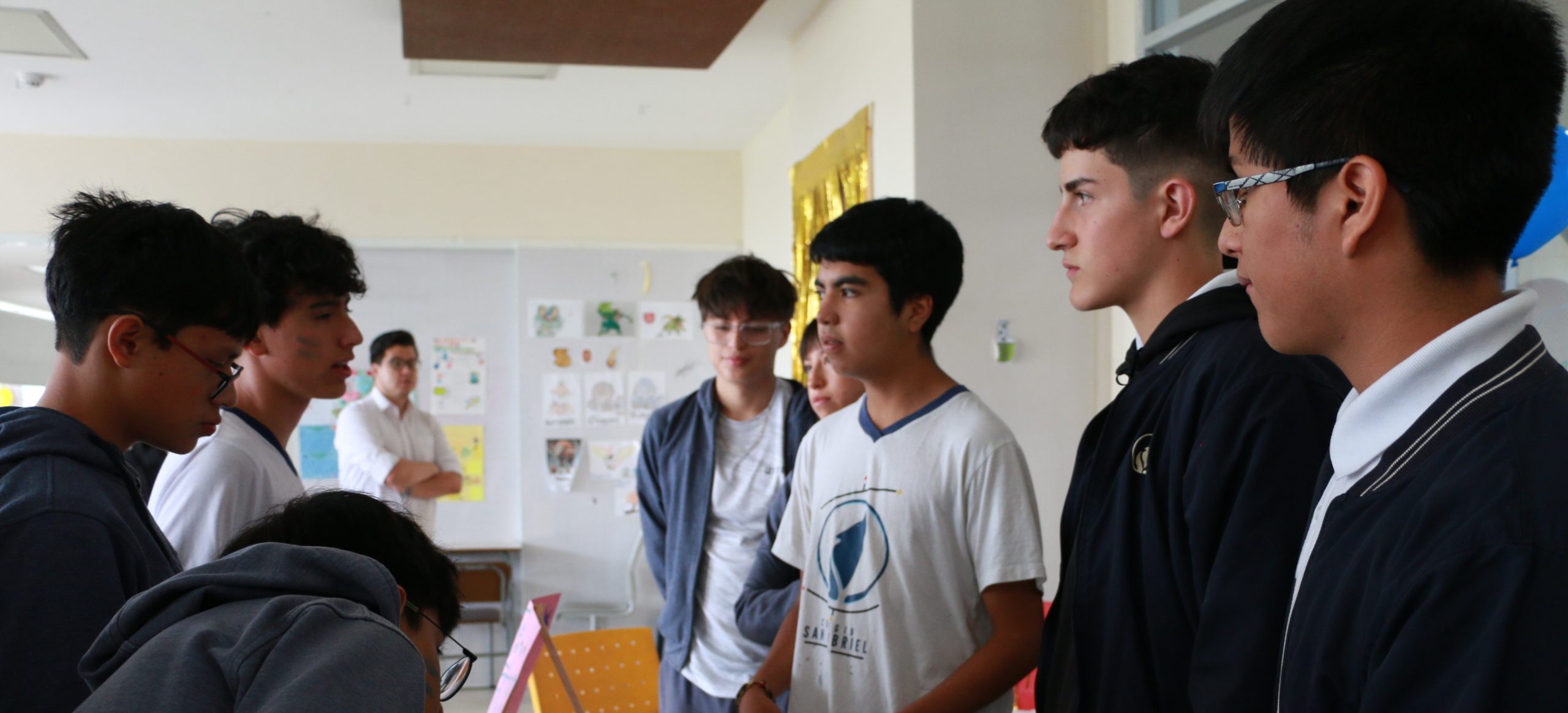
IT – Booktopia: where reading has no limit.
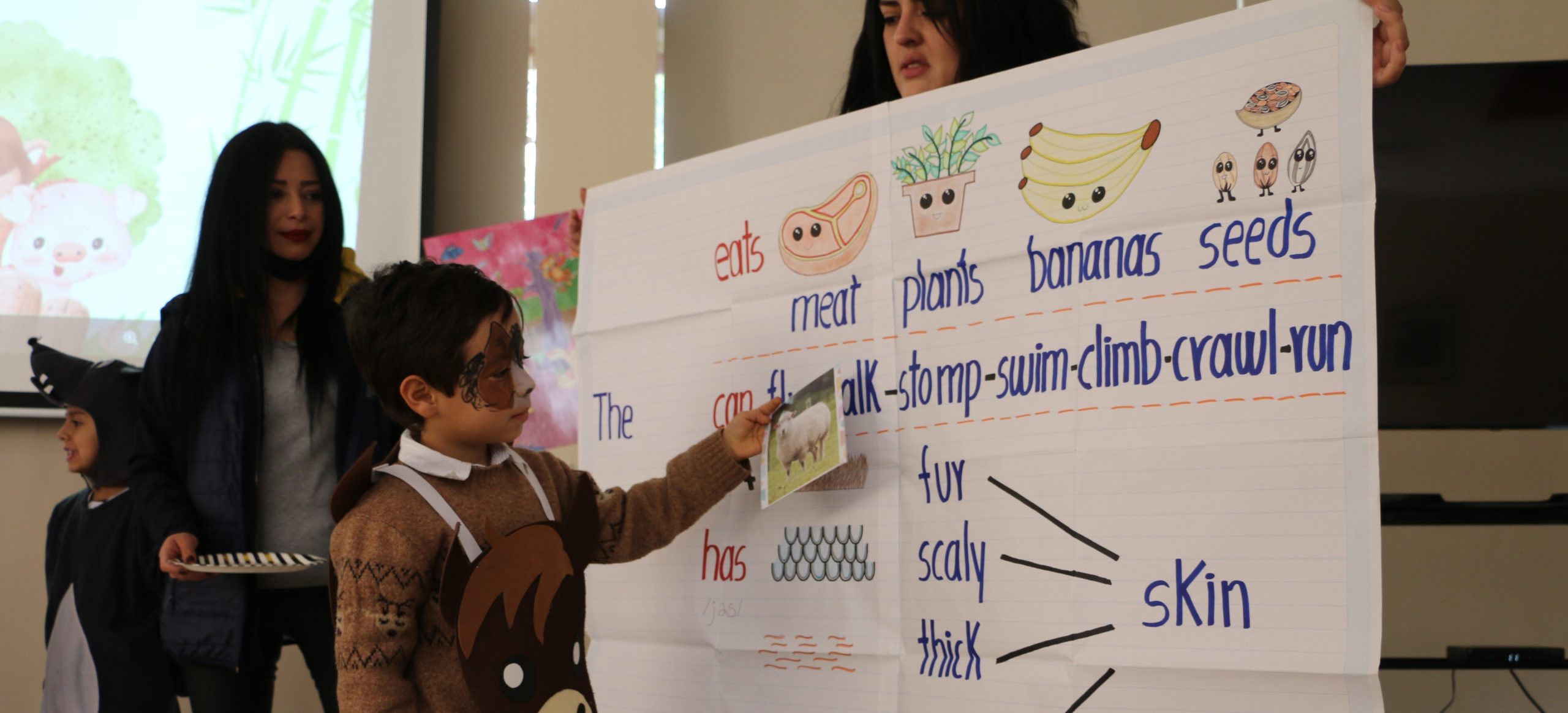
The English Reading Plan directly contributes to guiding students toward achieving a B2 level of English proficiency by the end of their academic journey. Reading, as a skill, forms the foundation for developing other communicative abilities — speaking and writing — since it exposes students to authentic grammatical structures, expands their vocabulary and language models, and strengthens their understanding of how meaning is organized and communicated in English.speaking, writing y listening— ya que expone a los estudiantes a estructuras gramaticales auténticas, amplía su vocabulario y modelos de lenguaje, y fortalece su comprensión de cómo se organiza y comunica el significado en inglés.
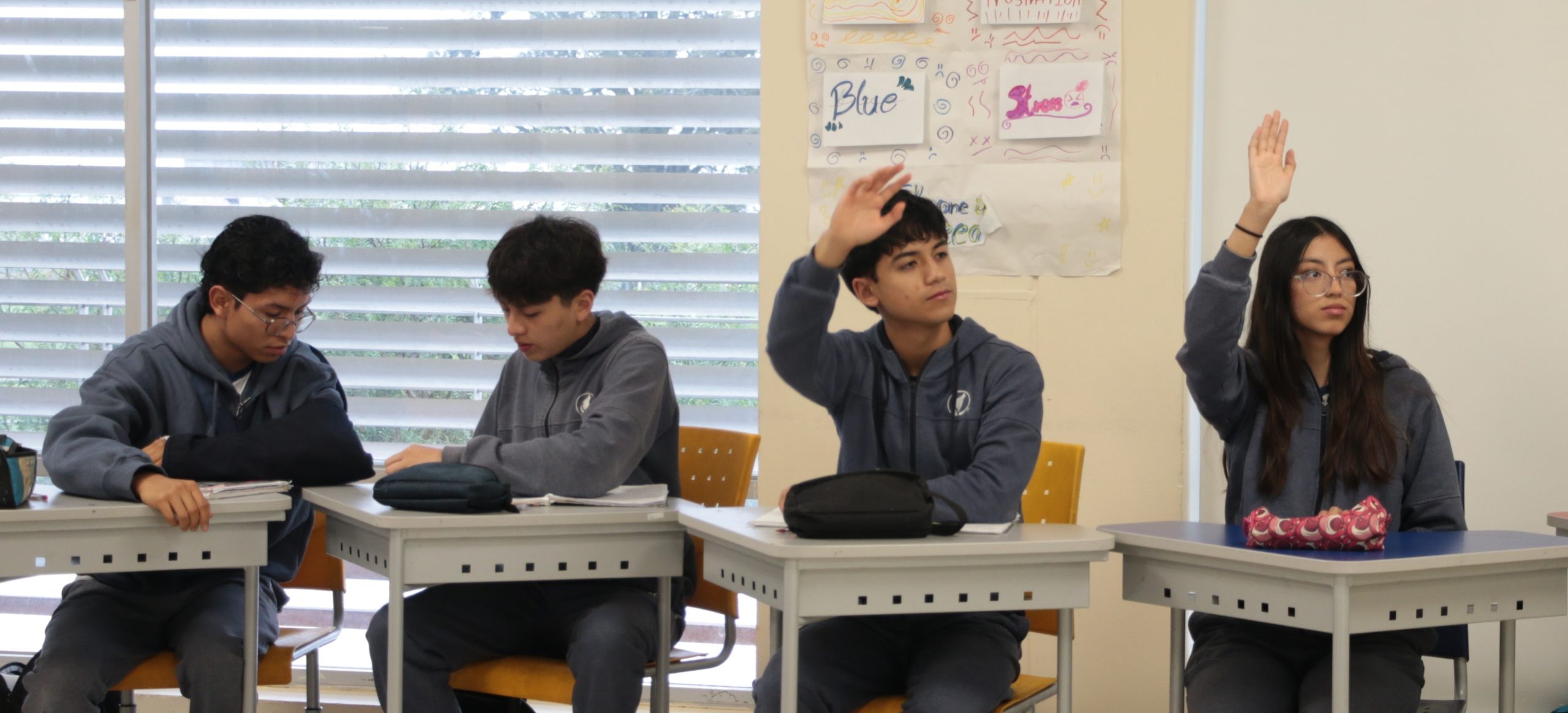
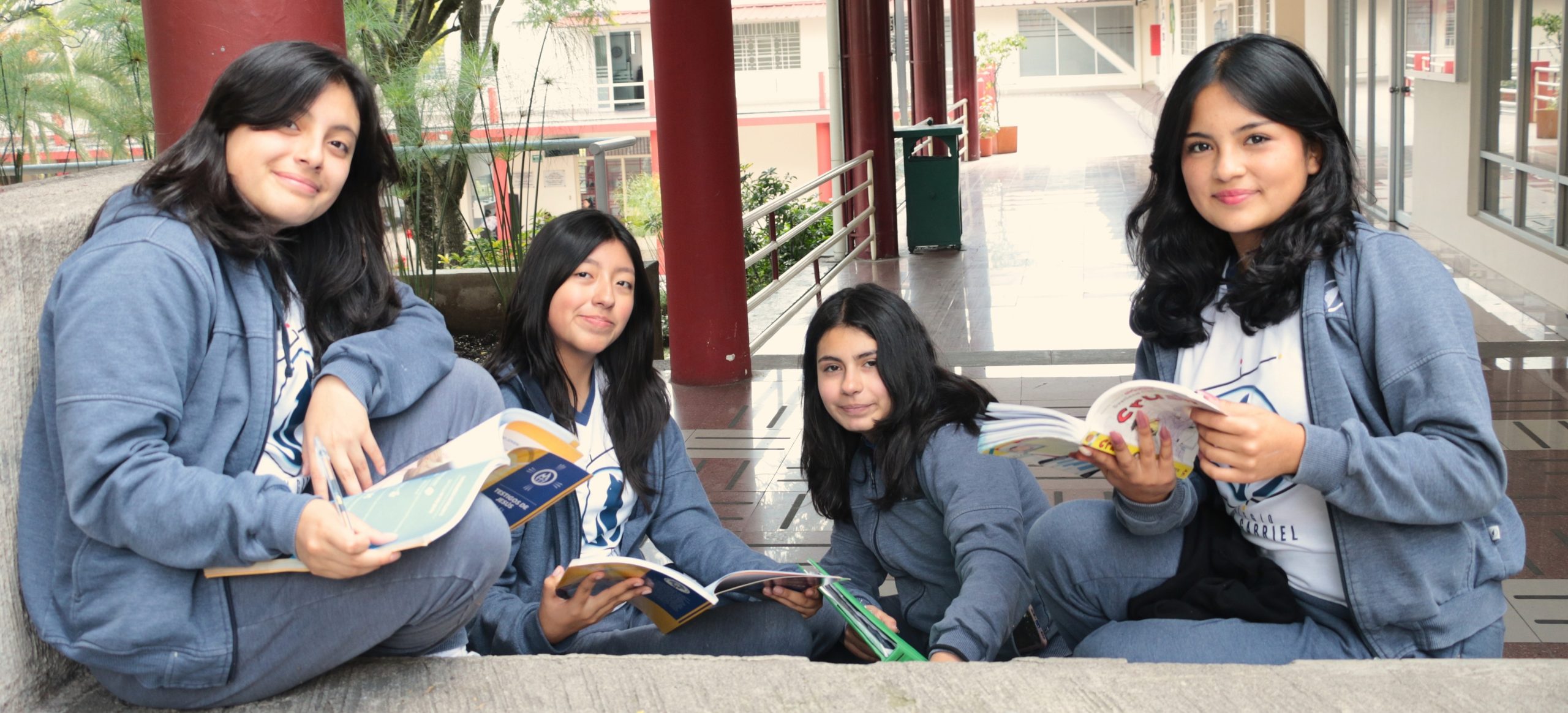
The Reading Plan aims to:
- Improve reading comprehension
- Expand vocabulary
- Improve writing
- Strengthen oral interaction and communication
- Develop critical thinking skills


IT – Computational Thinking: “Future Minds: Imagine, Code, and Build the Future”

Designed to develop a wide range of key competencies in technological and scientific fields, this initiative includes — but is not limited to — verbal and mathematical reasoning, programming, robotics, 3D design, and the basic principles of artificial intelligence. Through this process, students become familiar with these concepts through an approach that enables them to apply their knowledge in real and relevant situations.
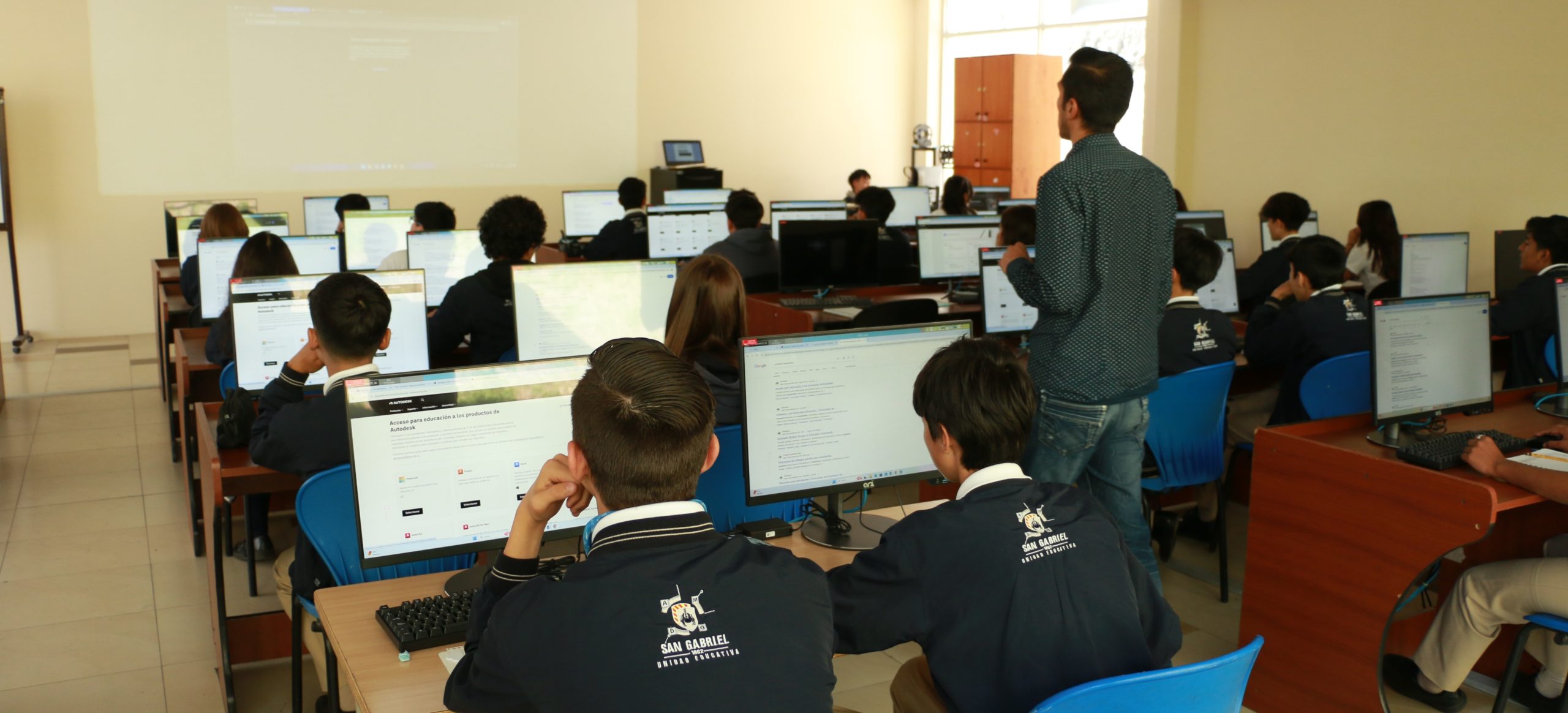
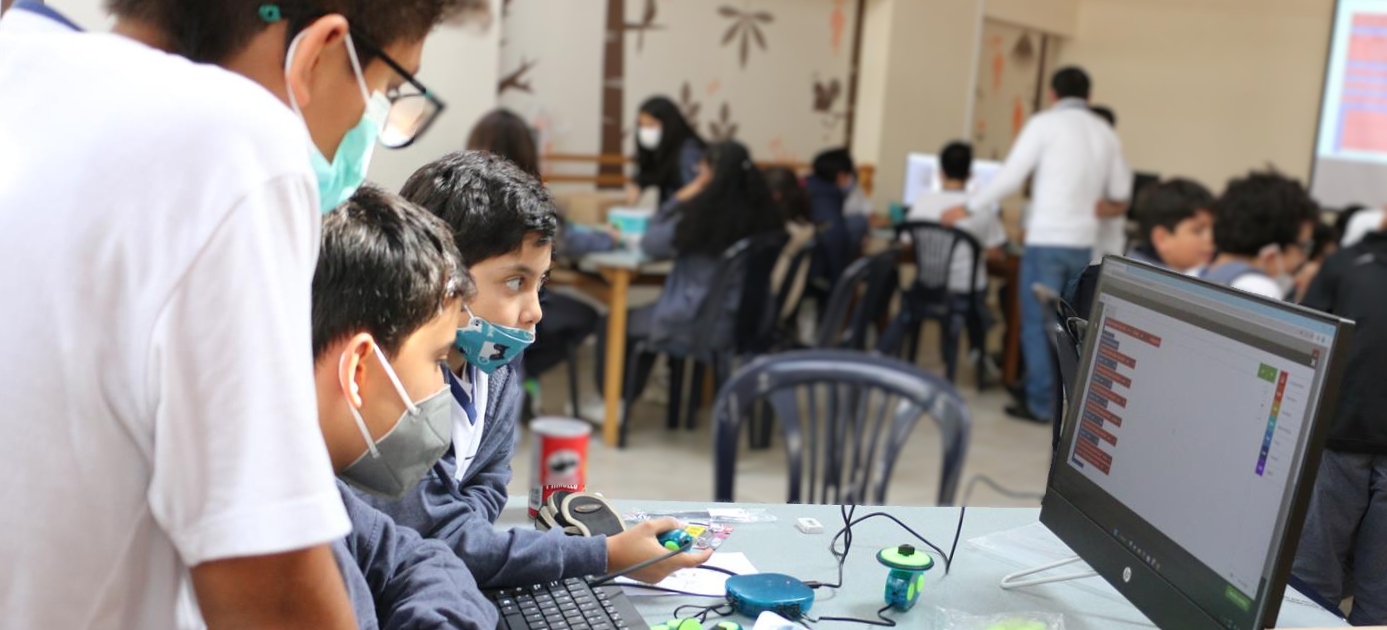
It fosters essential 21st-century skills such as creativity, critical thinking, and the ability to solve complex problems. Students face challenges that simulate real-world contexts, where they must analyze, design, and implement innovative solutions.

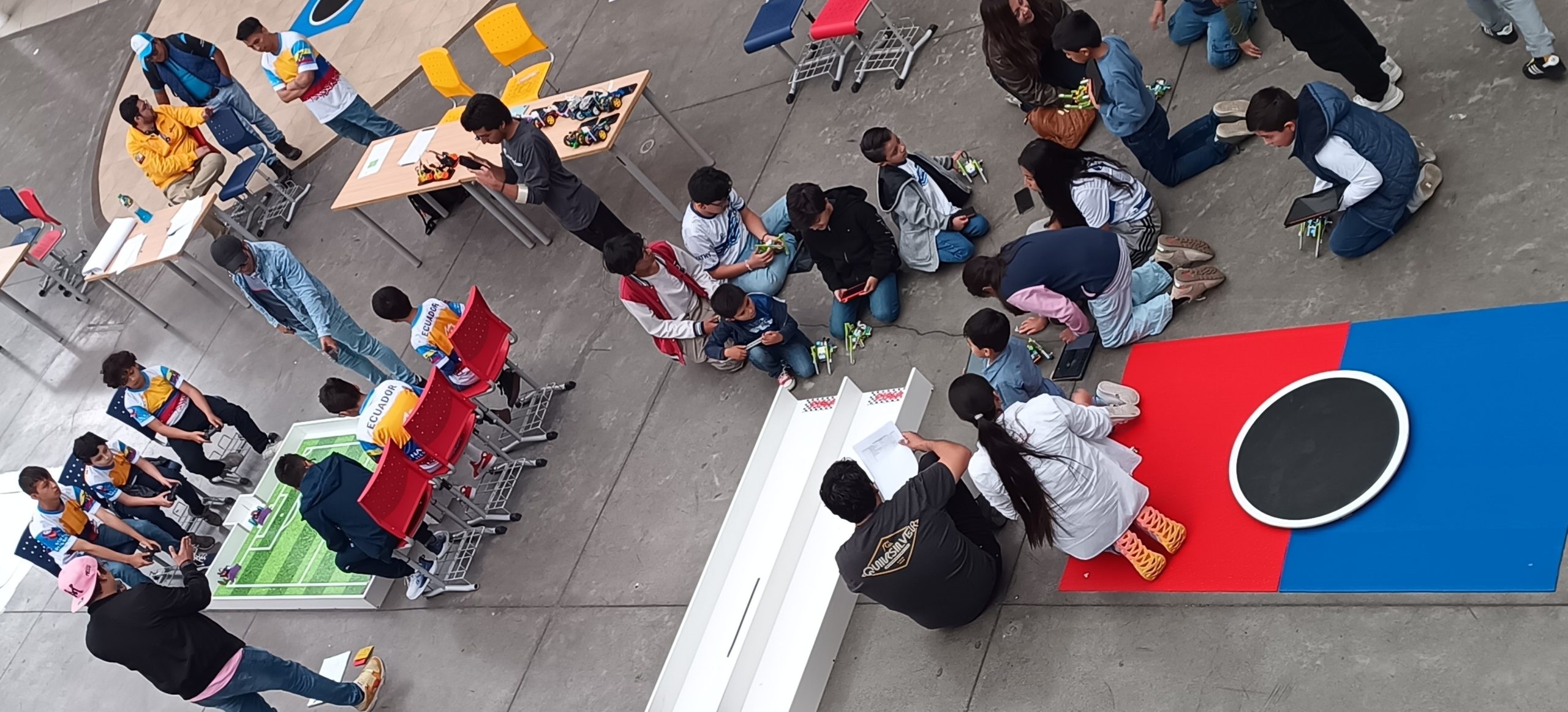
We seek to integrate these competencies in an interdisciplinary manner, promoting a holistic vision of learning that connects mathematics, sciences, and humanities with computational thinking. Beyond mastering technological tools, we aim for Gabrielino students to develop a flexible mindset to face the challenges of a constantly evolving technological world.
IT – Music: “The Sound of an Admirable Heart”
As part of the comprehensive formation of students at Unidad Educativa Particular San Gabriel, music education is based on the Suzuki philosophy, complemented by active music teaching methods and grounded in humanistic principles aimed at shaping the Person Model. The program is structured around three complementary activities: classroom instruction projects, pedagogical ensembles, and a special music training school.
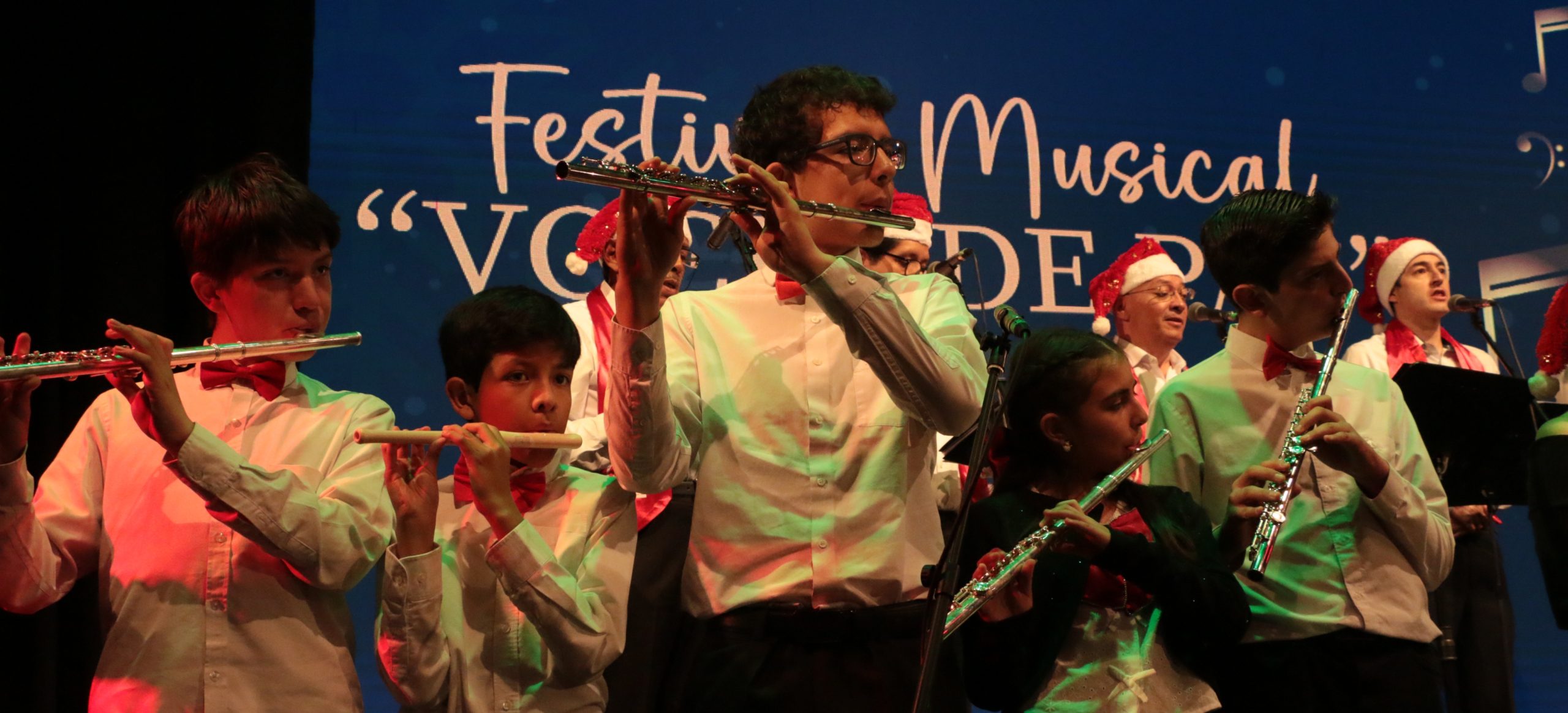
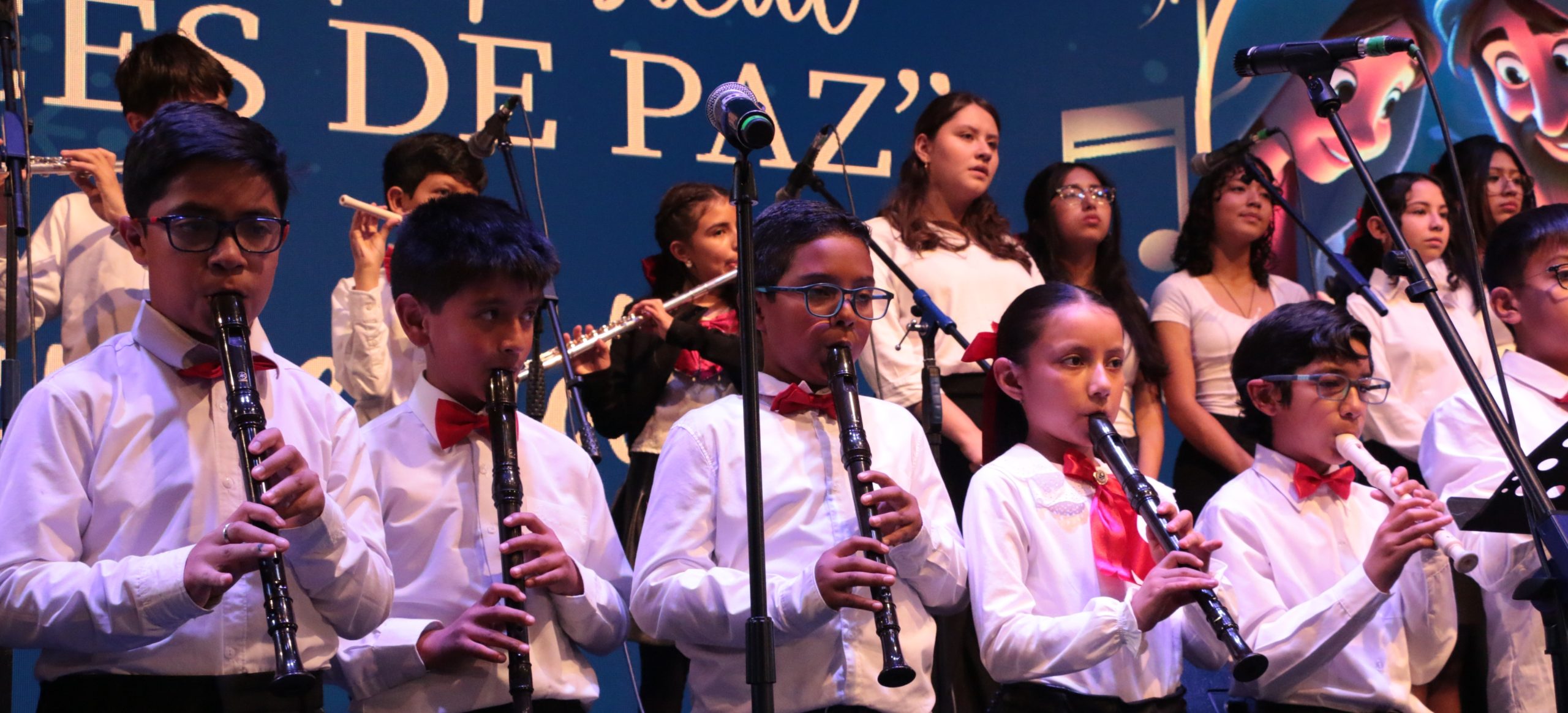
In this way, music becomes a means to cultivate not only artistic skills but also attitudes and values that reflect the ideal of forming men and women for others — individuals capable of transforming their environment through sensitivity, beauty, and social commitment.
Duration and Evaluation
Each cross-cutting initiative has a projection of three to five years before undergoing evaluation and potential adjustments. This process allows the institution to measure its impact and implement improvements based on accumulated experience. Not all past experiences have been classified as cross-cutting initiatives; for example, in 2018, the Yasuní Project was considered an institutional project but did not meet the criteria for cross-cutting implementation.
The impact of these initiatives has enabled San Gabriel to move from an education based on isolated subjects toward an integrated and holistic approach, in which students develop key skills and competencies for their future.